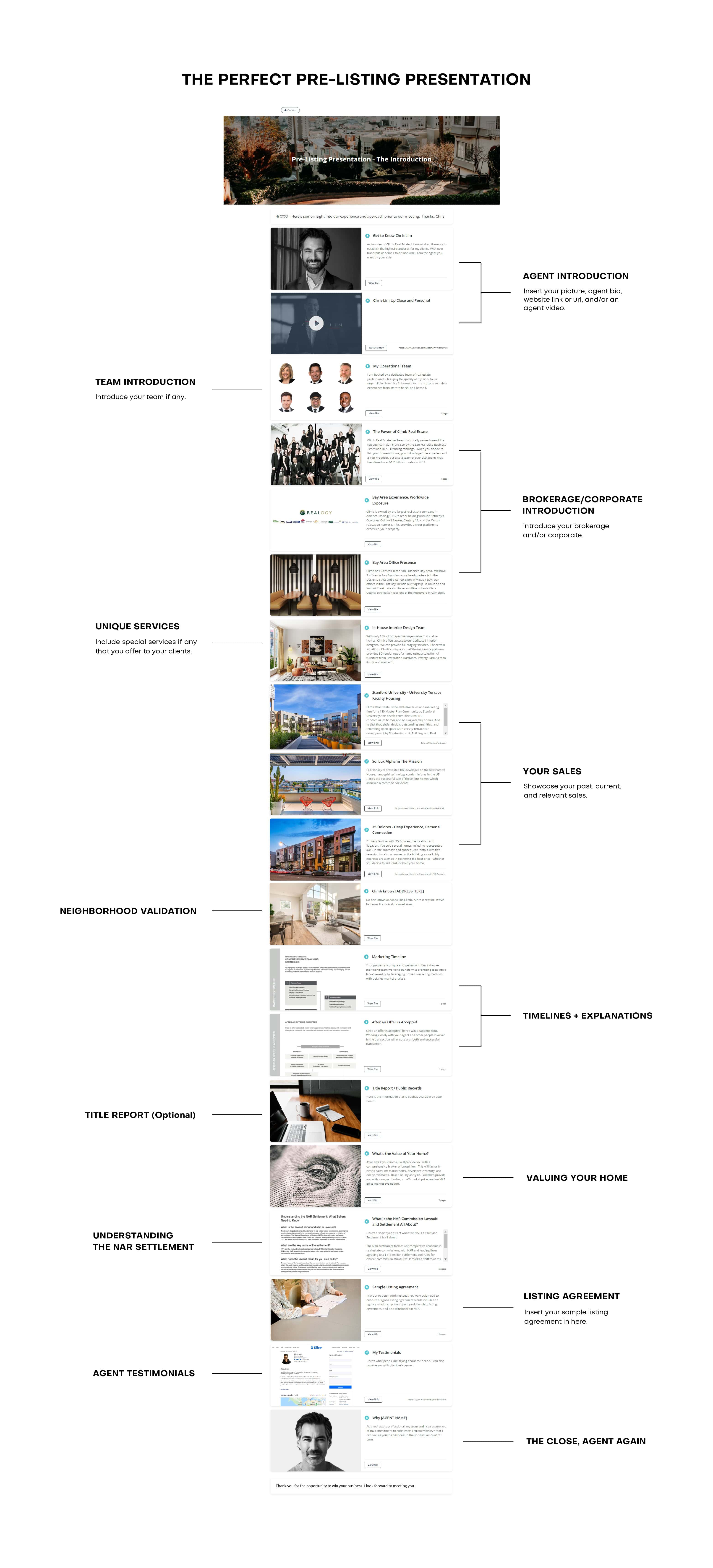
Create polished proposals with our free, customizable accounting and finance proposal templates for accountants, bookkeepers, and financial advisors. Showcase your services, pricing, financial insights, and recommendations with confidence.
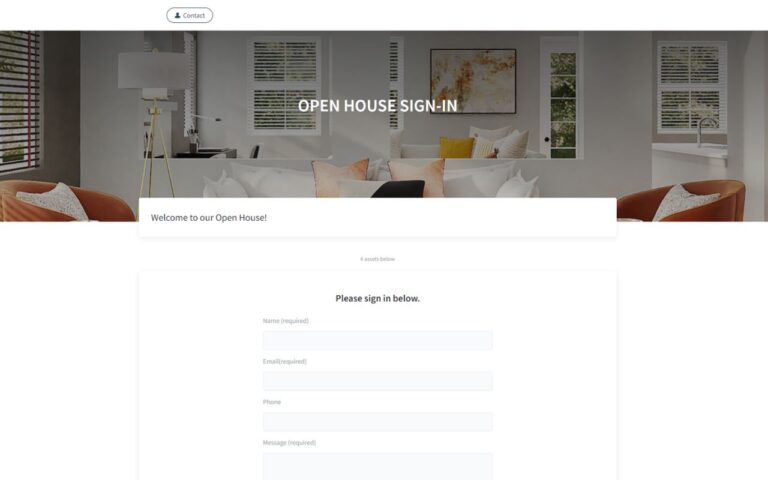
Browse open house sign-in templates built for agents hosting open houses. Each template gives you a practical starting structure to collect useful visitor information with a quick, respectful sign-in experience, while leaving room to add your brand, client-specific details, evidence, and supporting files.
Use the template as a decision framework, not a finished document. A useful open house sign-in template normally makes these elements easy to find:
Remove any section that does not help this audience decide, but do not hide assumptions, exclusions, responsibilities, or material trade-offs.
Lead with the seller, buyer, visitor, or cooperating agent’s immediate question. Put supporting evidence beside the recommendation it informs, label estimates and professional judgment, and keep private client information out of reusable public templates. Brokerage rules, MLS rules, forms, disclosures, and local law should always control the final presentation.
Start with the facts that change from one opportunity to the next: the recipient, current situation, objective, constraints, timing, and decision criteria. Keep repeatable brand and process material in reusable blocks, then replace generic examples with relevant evidence. Before sending, confirm names, dates, figures, links, permissions, and the requested next step.
A Highnote template gives you a reusable starting point while leaving room for client-specific files, visuals, video, links, and supporting material. Share the finished presentation as a link so the recipient can review it without managing a bulky attachment. Highnote’s sharing and analytics tools can also show how recipients interact with the presentation, which can help you prepare a more relevant follow-up.
Watch for the most common failure on this SERP: asking for too much information at the door without explaining how it will be used. Read the page once from the recipient’s point of view. If a key term, number, responsibility, or decision would still require an email to understand, clarify it in the presentation or state exactly where it will be confirmed.
Include the client or property context, the evidence needed for the decision, your recommended process, responsibilities, timing, and a clear next step. Relevant items for this template include property and event details, name and preferred contact method, representation and buying-status questions, optional property feedback.
Replace generic market and brokerage material with the client’s goals, verified property information, current local data, relevant examples, and the exact next action. Remove private information before reusing or publishing a template.
Long enough to answer the decision at hand and no longer. A pre-meeting or follow-up presentation can be brief; a listing, buyer, or investment presentation may need more evidence. Keep each section scannable and move supporting documents behind clear links or attachments.
Yes, when appropriate and authorized. Label each document clearly, protect confidential information, and follow brokerage, MLS, licensing, disclosure, and local legal requirements. A template should organize professional work, not replace it.
Yes. Highnote lets you organize multiple files and media in one presentation and share it by link, so recipients can review the latest version without searching through separate attachments.
No. A template improves consistency and clarity, but results depend on pricing, property, market, representation, negotiation, client fit, and many other factors. Avoid guarantees and keep recommendations tied to verified evidence.