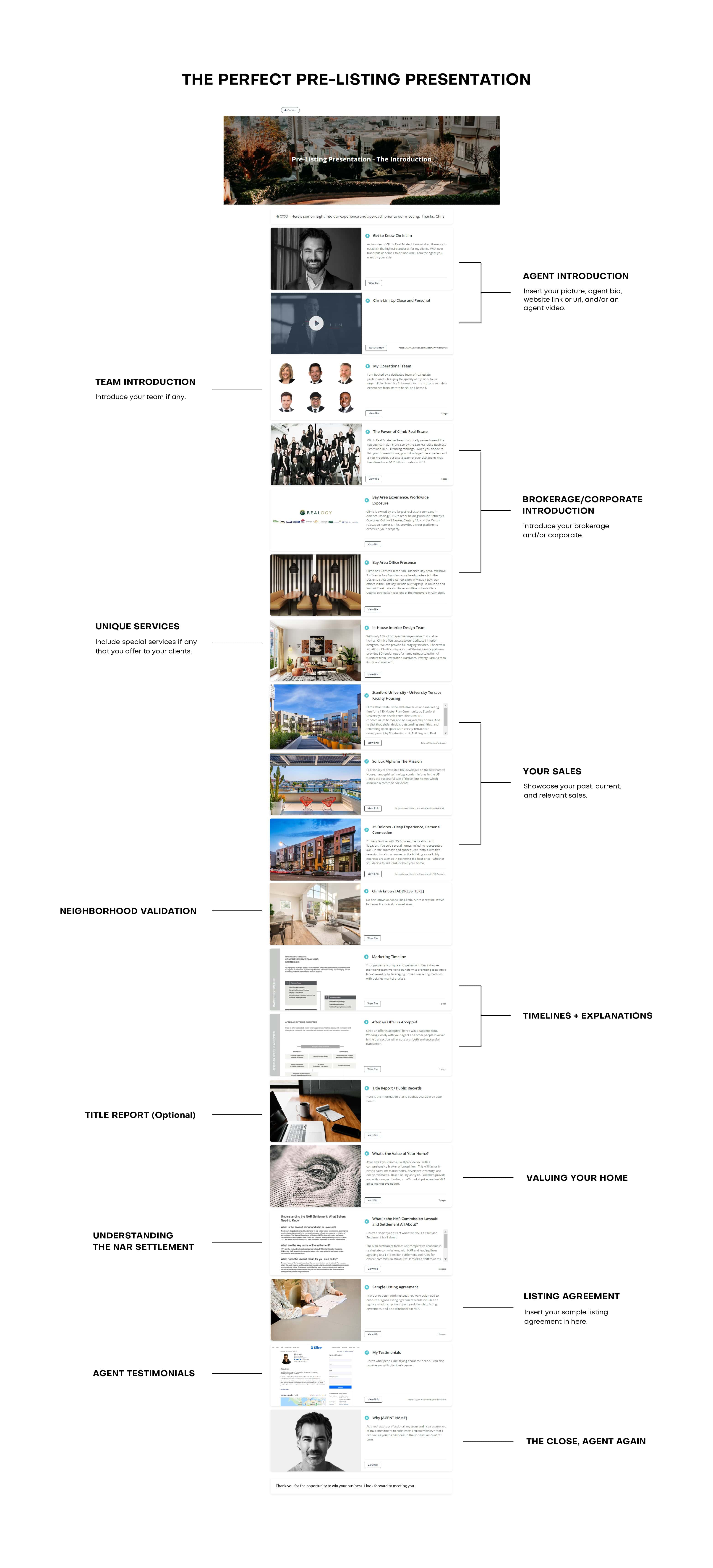

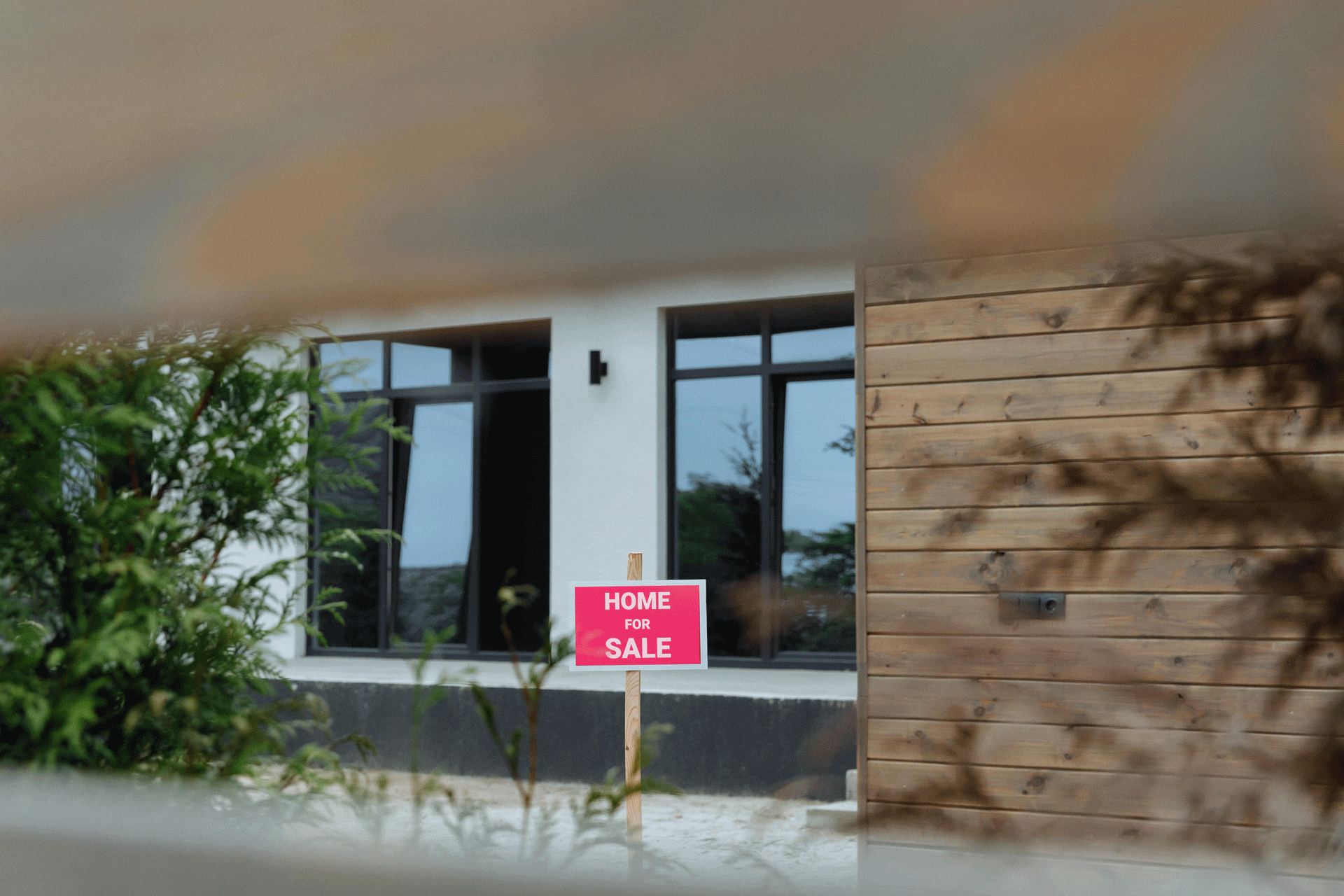
I’ve been in real estate for over three decades, and if there’s one truth that hasn’t changed, it’s this: a well-marketed listing sells faster and for more money. The way we market has evolved—print ads and open houses used to be the backbone—but the goal remains the same: get your listings in front of the right buyers, at the right time, with the right message.
I still remember one of my early listings back in the late 90s—a small two-bedroom bungalow that sat on the market for 90 days with barely a showing. The moment I invested in professional photography and rewrote the listing description to highlight lifestyle instead of square footage, the phone started ringing. That experience taught me that marketing a listing isn’t just about exposure—it’s about positioning it to connect emotionally with buyers.
Fast forward to today, and we’ve got tools that make that process faster, smarter, and more targeted than ever before—AI-powered ad platforms, data-driven audience targeting, and video marketing that can make a home go viral overnight. But with all those options comes a problem: information overload. Too many agents throw money at ads without a clear plan. That’s where a structured listing marketing strategy comes in.
In this guide, I’ll walk you through exactly how I approach marketing listings in 2025—the same framework I teach to agents who want to move beyond “just posting online” and start building real, repeatable results.
The Foundations of a Strong Listing Marketing Plan
Before you even touch your camera or write the first social media caption, you need to build a foundation. Over the years, I’ve seen far too many agents jump straight into “doing” without thinking through what they’re trying to achieve. Marketing without a foundation is like hosting an open house with no signs out front—lots of effort, little result.
So here’s how I structure the groundwork for every listing marketing plan I create.
Define the Ideal Buyer
Every property has a “who.” If you don’t know exactly who your marketing is speaking to, you’ll end up with bland, generic campaigns that attract no one.
When I was marketing a downtown loft a few years ago, my seller thought the target buyer was a young professional. After analyzing the local buyer data and foot traffic, I realized most of the interest came from empty nesters looking for a low-maintenance lifestyle near restaurants and theaters. Once we pivoted our messaging to focus on “walkability and easy city living,” the property sold within two weeks.
Action step: Before you launch anything, write out a one-paragraph buyer profile. Include details like:
- Age range and lifestyle
- Income bracket
- Motivations (first home, downsizing, investing, etc.)
- Key features they value most (schools, design, convenience, etc.)
That single exercise will shape your photos, copy, and ad targeting.
Set Measurable Goals
Every campaign should have a clear goal. “Sell fast” or “get more views” isn’t measurable. Instead, set targets like:
- Increase listing page visits by 30% within two weeks
- Generate 20 qualified buyer inquiries in the first month
- Sell at or above list price within 45 days
These numbers guide your decisions and help you know what’s working. I always tell new agents: if you can’t measure it, you can’t improve it.
Build Your Property Story
This is where marketing really begins. A great listing description or photo set isn’t just about features—it’s about storytelling. Every home has an emotional hook. Your job is to find it and amplify it.
When I marketed a lakefront home a few summers ago, the photos of the water were gorgeous—but what sold it was the story we told about summer mornings on the dock with coffee. Buyers don’t fall in love with data; they fall in love with how a home makes them feel.
Action step: Write a short “story statement” for each listing:
“This home is perfect for…”
“What makes it special is…”
“The moment buyers will fall in love is when they…”
That becomes the heartbeat of your entire marketing campaign.
Choose the Right Marketing Mix
You don’t need to be everywhere—you need to be effective where your buyers are. If your target is first-time buyers, TikTok and Instagram might outperform email. If you’re marketing luxury, you might lean heavier on high-end digital publications, property videos, and targeted Facebook ads.
Action step: List your top three buyer channels and focus your budget and creativity there. Spreading yourself thin across 10 platforms guarantees mediocrity.
7 Handpicked Listing Marketing Strategies That Actually Sell Homes
Over the years, I’ve tested just about every listing marketing tactic you can imagine—newspaper spreads, glossy brochures, drone videos, Facebook ads, even handwritten postcards. Some worked for a season; others never really delivered. But a handful have proven themselves time and again, regardless of market conditions or price point.
These are the strategies I lean on when I need to get a property noticed fast—or when a listing is sitting with little activity and needs fresh energy. What I’ve learned is that it’s not about using every tool available; it’s about executing the right few with consistency and purpose.
In this section, I’ll break down the 7 most effective listing marketing strategies I use today. Each one is designed to help you attract more buyers, create urgency, and ultimately sell listings faster—without wasting time or money on fluff.
Strategy #1: Invest in Professional Listing Photography That Tells a Story
If you’ve been in real estate long enough, you’ve seen it—dark, grainy photos that make even the nicest homes look tired. Early in my career, I was guilty of it too. I once listed a stunning Craftsman home and thought my new digital camera would do the job. The photos were “fine”… until the seller forwarded me a competing listing nearby with magazine-quality images. That home sold in eight days; mine took 47. Lesson learned.
Why It Matters
Buyers shop with their eyes first. Online, your photos are your first showing. According to recent industry data, listings with professional photography get 118% more online views and sell 32% faster than those shot by agents. But here’s the catch—“professional” doesn’t just mean hiring someone with a camera. It means directing the shoot with purpose.
How I Plan a Shoot (and What to Tell Your Photographer)
Here’s the checklist I still use before every session. I literally keep this in my pre-listing binder.
Step | What to Do | Why It Matters |
1. Walk the property first | Identify best lighting times, angles, and focal points | You’ll avoid harsh shadows and wasted shots |
2. Stage with intention | Remove clutter, add lifestyle touches (coffee mugs, throws, flowers) | Makes the home feel lived-in, not vacant |
3. Capture context | Front elevation, backyard, street view, nearby amenities | Helps buyers visualize where they’ll live, not just what they’ll own |
4. Shoot vertically and horizontally | Different formats work better on MLS, Instagram, and Reels | Gives you flexibility for all platforms |
5. Include storytelling shots | Fireplace moments, sunset views, garden corners | Emotionally connects the buyer to the lifestyle |
Pro Tip: Pair Photos with Micro-Captions
This is something I started doing a few years ago, and it quietly doubled my engagement on listing posts. Instead of just uploading photos to social media, I add a short caption for each:
- “Morning coffee with a view like this never gets old.”
- “Where family dinners turn into memories.”
- “Sunset views that make you slow down.”
These small touches bring the photos to life—and they subtly reinforce the lifestyle your listing offers.

When to Go Beyond Still Photography
If your listing has features that move—pools, views, open floor plans—consider short, cinematic clips or drone flyovers. You don’t need a full production team anymore; even a 30-second highlight reel can perform incredibly well on Instagram or YouTube Shorts.
Quick comparison:
Feature | Photo Only | Photo + Video |
Engagement on social media | Moderate | 2–3x higher |
Buyer emotional connection | Good | Strong |
Ideal for luxury / lifestyle listings | Occasionally | Always |
The bottom line? Great photos don’t just show rooms—they sell emotions. The goal is to make buyers imagine themselves already living there.
Strategy #2: Use Video Marketing to Bring Your Listings to Life
I’ll be honest — I was late to the video game. Back when video tours first started trending, I thought they were just a luxury marketing gimmick. Then I watched a younger agent in my office sell a home in three days using a simple, one-minute walkthrough shot on her phone. That was my wake-up call.
Since then, I’ve used video marketing on everything from modest starter homes to multi-million-dollar estates, and it’s transformed my listing results. The best part? You don’t need a production crew or massive budget to make video work for you — you just need purpose, story, and consistency.
Why Video Works
Video taps into something photos can’t: movement and emotion. Buyers get a sense of space, flow, and lifestyle before they ever step foot inside.
Here’s what the data says:
- 73% of sellers say they’re more likely to list with an agent who uses video marketing.
- Listings with video receive up to 403% more inquiries than those without.
- On social media, video posts generate 12x more shares than images and text combined.
But here’s what those numbers don’t tell you — video also builds trust. When buyers see you in the video, they feel a personal connection before you ever meet.
Three Types of Listing Videos I Use Regularly
Video Type | Purpose | Tools You’ll Need | Ideal Platforms |
Property Tour | Showcase layout, flow, and key features | Gimbal stabilizer, good lighting, phone or DSLR | MLS, YouTube, Facebook |
Agent-Led Walkthrough | Build personal brand while showing home | Wireless mic, steady shot, script outline | Instagram Reels, TikTok, YouTube Shorts |
Lifestyle Highlight Reel | Sell the feeling of living there | Drone or cinematic b-roll, background music | Instagram, website, ads |
How I Structure Every Listing Video
When I plan a video, I think in scenes — just like a story. I follow this structure every single time:
- The Hook (0–5 seconds):
Show the most eye-catching part of the property right away — maybe the view, kitchen, or backyard.
Example: A drone shot rising over the property with a quick voice-over: “Imagine waking up to this every morning…”
- The Heart (5–45 seconds):
This is the emotional core. Walk viewers through the home as if you’re giving them a private showing. Use language like:- “This open floor plan is made for entertaining.”
- “You can feel how quiet it gets back here in the evenings.”
- The Close (last 10 seconds):
Include your call-to-action. Keep it warm, not pushy:
“If you’d like a private showing or want to know more about homes like this, reach out — I’d love to show you around.”
Pro Tips for Maximizing Reach
- Add captions — 80% of videos are watched with the sound off.
- Upload natively — post directly to each platform instead of sharing links.
- Repurpose strategically:
- Cut long videos into Reels or Shorts.
- Use 3-second clips for ad creative.
- Embed full versions on your website and YouTube.
- Use AI tools like OpusClip or Descript to edit, caption, and auto-generate short highlights.
Quick Comparison: Traditional vs. Modern Listing Videos
Approach | Old School | Modern 2025 Approach |
Format | 3-minute MLS video tour | 30–60 second attention-grabbing clips |
Tone | Formal, narrated | Conversational, emotional |
Focus | Features of the home | Lifestyle and story |
Distribution | YouTube only | Multi-platform strategy: Reels, Shorts, Ads |
When done right, video doesn’t just market the property—it markets you. Every video you post builds familiarity and trust with future clients. I can’t count the number of times I’ve met buyers at showings who said, “I feel like I already know you from your videos.” That’s brand power you can’t buy.
Strategy #3: Write Listing Descriptions That Sell (and Rank)
When I started in real estate, I used to treat listing descriptions like a formality — just a few sentences to fill out the MLS field. But as online search evolved, I realized the words we use can make or break a buyer’s first impression. Today, your description isn’t just copy — it’s marketing fuel that drives visibility, emotion, and conversions.
I’ve seen two identical listings perform completely differently online simply because one description was optimized for search and written with the buyer’s mindset in mind.
The Dual Purpose of Every Listing Description
- Appeal to Algorithms:
Your description helps platforms like Zillow, Realtor.com, and Google understand what your property is about. Using natural, descriptive keywords like “modern lakefront home in Austin” or “family-friendly neighborhood near top schools” can improve your visibility dramatically. - Connect with Buyers Emotionally:
Buyers don’t make offers because of square footage — they make offers because they imagine themselves living there. That’s psychology at work.
How I Structure My Listing Descriptions
Here’s the framework I’ve refined over the years. It’s part SEO, part storytelling — and it works.
Section | Purpose | Example Snippet |
Headline Sentence | Hook attention fast; set the scene | “Wake up to sunrise views over the lake in this beautifully updated 3-bedroom retreat.” |
Lifestyle Focus | Paint a picture of how it feels to live there | “Host weekend barbecues on the patio, unwind by the firepit, or stroll to nearby trails.” |
Feature Highlights | List key features in bullet form for easy scanning | • Chef’s kitchen with quartz countertops • Primary suite with private balcony • Smart home lighting system |
Local Appeal | Mention desirable neighborhood or amenities | “Located minutes from top-rated schools and local cafes.” |
Call to Action | Prompt inquiry or viewing | “Contact me today for a private showing before it’s gone.” |
Avoiding Common Mistakes
Here are a few traps I still see agents fall into (and I’ve been guilty of a couple myself):
- Overloading adjectives: Saying “beautiful, stunning, amazing” adds fluff, not clarity. Focus on specifics.
- Ignoring structure: Long, unbroken paragraphs lose readers quickly.
- Missing local details: Mention nearby amenities, parks, or attractions — buyers care about context.
- Skipping proofreading: A typo in a $1M listing doesn’t just look sloppy — it undermines credibility.
If you want to dive deeper into the craft of writing copy that converts, I strongly suggest reading How to Write Property Descriptions That Sell — it’s the most detailed breakdown I’ve seen on the psychology behind persuasive property writing.
SEO Example: Before and After
Before | After (SEO + Psychology) |
“Nice home with updated kitchen and yard.” | “This updated 3-bedroom home in Greenfield offers a sunlit kitchen, spacious backyard, and direct access to community parks — perfect for family living.” |
The first one describes. The second one sells. That’s the difference between listing text and marketing copy.
A strong listing description does more than fill space — it carries your marketing message from the MLS to every buyer’s phone screen. When optimized well, it not only draws clicks but also builds emotional connection.
Strategy #4: Master Social Media Marketing for Listings
I still remember when social media marketing for real estate meant just posting a new listing on Facebook and hoping someone shared it. That was around 2012. Back then, organic reach was incredible — but that world’s long gone.
Today, success on social media isn’t about posting more; it’s about posting smarter. Algorithms reward engagement, not volume. And after testing hundreds of campaigns over the years, I’ve learned one thing: the agents who win on social media treat it like a marketing channel, not a dumping ground for open house flyers.
Why Social Media Still Drives Listing Sales
Here’s what’s changed — and what hasn’t.
- Buyers now spend 2+ hours a day scrolling social feeds.
- 73% of homeowners say they’re more likely to list with an agent who uses social media marketing effectively.
- Visual content (especially short-form video) generates up to 10x more engagement than text-only posts.
If you combine professional photography, short-form video, and storytelling captions, you’ll outshine 90% of the “just listed” noise instantly.

How I Structure a Listing Launch on Social Media
When I bring a new listing to market, I use what I call my “5-Post Launch Framework.” It’s designed to build anticipation, engagement, and momentum — not just one-time exposure.
Post Type | Timing | Content Example | Goal |
Teaser Post | 3–5 days before launch | “Something special is coming this week in Lakeview… stay tuned.” | Build curiosity |
Launch Post | Day listing goes live | Carousel or video tour with a strong hook | Maximize reach |
Lifestyle Feature | 3–5 days later | Focus on the home’s emotional appeal (e.g., morning coffee views, family BBQs) | Deepen connection |
Neighborhood Highlight | 1 week in | Showcase local amenities and community | Add lifestyle context |
Success Post | When under contract | “This one went fast — here’s why.” | Reinforce credibility |
Each post serves a purpose — not just to show, but to sell.
Choosing the Right Platform for Each Listing
Not every listing belongs everywhere. A downtown condo attracts a different buyer than a lakefront estate. Here’s how I match platforms to property type:
Platform | Best For | Post Type | Pro Tip |
Visual storytelling, design-driven homes | Reels, carousel posts | Use local hashtags and tag location | |
Community-driven buyers, family homes | Listing launches, open house videos | Share to neighborhood groups | |
TikTok | Younger buyers, trend-based properties | Quick walkthroughs, “behind the scenes” | Use trending sounds to boost visibility |
Investors, high-end or new developments | Market insights, luxury listings | Pair listings with short value posts |
Pro Tip: Pair Organic Reach with Paid Boosts
Even $25–50 in targeted ad spend can dramatically increase your visibility when you know your audience.
Target by:
- ZIP code
- Homeownership status
- Age or income range
- Interests like “home buying” or “real estate investing”
If you want to see how this fits into your overall strategy, check out my detailed breakdown on Property Marketing: The Complete Guide. It ties social campaigns into print, video, and digital marketing — all working together instead of in silos.
My Personal Posting Routine (and Why It Works)
Every Monday, I schedule 3–4 posts for the week — two focused on listings, one on community, and one on education. This rhythm keeps my content fresh and consistent without burning me out.
One example that still stands out: a mid-range listing that wasn’t moving. I posted a quick 15-second Instagram Reel showing the sunset from the back deck with the caption “This is what dinner looks like here.” That single video led to 2 showings and one full-price offer in 48 hours.
That’s the power of pairing emotion with strategy.
Social media is no longer optional — it’s an essential pillar of listing marketing. When you stop thinking of it as a vanity exercise and start using it as a storytelling platform, your listings become magnetic.
Strategy #5: Property Flyers and Print Marketing That Still Work
I know what you’re thinking — “Print marketing? In 2025?”
But hear me out. Even with all the AI tools, 3D tours, and digital ads in the world, there’s still something powerful about holding a high-quality property flyer in your hands. When done right, print marketing doesn’t replace digital — it reinforces it.
I’ve seen this firsthand. A few years ago, I had a listing that was struggling to gain traction online. We redesigned the property flyer — professional photography, clear headlines, lifestyle-driven copy — and distributed it to 300 nearby homes. Within a week, I had two calls from neighbors referring friends who’d been “waiting for something like that.”
That’s the beauty of print: it sticks around longer than a scroll.
Why Flyers Still Matter in a Digital World
Reason | Impact |
Tactile experience | A flyer creates physical presence — something a screen can’t replicate. |
Local exposure | Perfect for open houses, neighborhood drops, and community bulletin boards. |
Brand perception | High-quality print reflects high-quality service — it’s a subtle trust builder. |
Cross-channel reinforcement | Print pieces drive traffic to your digital listings when integrated with QR codes or short URLs. |
If you want a deeper dive into flyer formats, templates, and design strategy, check out Property Flyers Guide. It’s a complete breakdown of how to build flyers that actually sell, not just inform.
How I Design Flyers That Convert
Here’s my go-to flyer structure. It’s simple, clean, and focused on what buyers care about most: story, visuals, and quick information.
Flyer Section | Purpose | Tips for Maximum Impact |
Headline | Hook the reader instantly | Lead with a lifestyle angle — “Modern family living in the heart of Oakwood” |
Hero Photo | Stop the scroll (or in this case, stop the flip) | Use your best wide-angle or exterior shot |
Feature Highlights | Communicate value at a glance | Use 4–6 concise bullet points instead of dense text |
Call-to-Action | Encourage next step | Add QR code linking to your digital property presentation |
Agent Branding | Build familiarity | Include professional headshot, logo, and consistent brand colors |
That last point — branding consistency — is key. If your print materials, social posts, and property presentations all look and sound like “you,” your brand starts working even when you’re not.
Pro Tip: Pair Flyers with Digital Property Presentations
These days, my flyers rarely live on their own. Each one includes a QR code that leads to a digital property deck — an interactive presentation that expands the experience online.
If you’re not already creating digital listing packages, I strongly recommend reading Property Presentation Techniques. It walks you through how to transform your flyers into a gateway for richer, trackable buyer engagement.
Here’s what that integration looks like in practice:
Print Element | Digital Tie-In |
Flyer photo → QR code | Opens digital property tour |
Agent contact info | Links to personalized Highnote presentation |
Listing headline | Matches your SEO property description |
Open house date/time | Syncs with digital calendar invite or lead form |
The result? A seamless marketing loop that blends offline touchpoints with online data and engagement.
Print isn’t dead — lazy print is.
A well-designed, strategically distributed flyer can create a tangible connection that digital ads simply can’t match. When you integrate both, you build a marketing experience that feels polished, intentional, and memorable.
Bonus: The Complete Listing Marketing Package
When you’ve built strong foundations and rolled out your top listing-marketing strategies, the key to scaling results is integration. That’s where Highnote comes in — it’s not just another tool, it’s your command center for presenting, engaging, and closing more listings with ease.
Why I Recommend Highnote to Agents
Having been in real estate over 30 years, I’ve tried countless tools. Many promised big but delivered little. I built Highnote because:
- It lets you spin up professional, interactive listing assets in minutes (digital flyers, presentations, Open-House sign-ins) without starting from scratch.
- It supports both digital and print workflows, meaning your listing becomes omnichannel: you can send a stunning e-flyer after a showing.
- It gives you real-time tracking and analytics, so you can see who opened what, when, and follow up smarter — this kind of data-driven insight used to be reserved for team budgets only.
- It’s built for the agent’s world, not the tech vendor’s world. The templates are created with real estate workflows in mind — listing marketing, open-house sign-ins, listing presentations, etc.
Let me walk you through how I use it in my listing workflow, step by step.
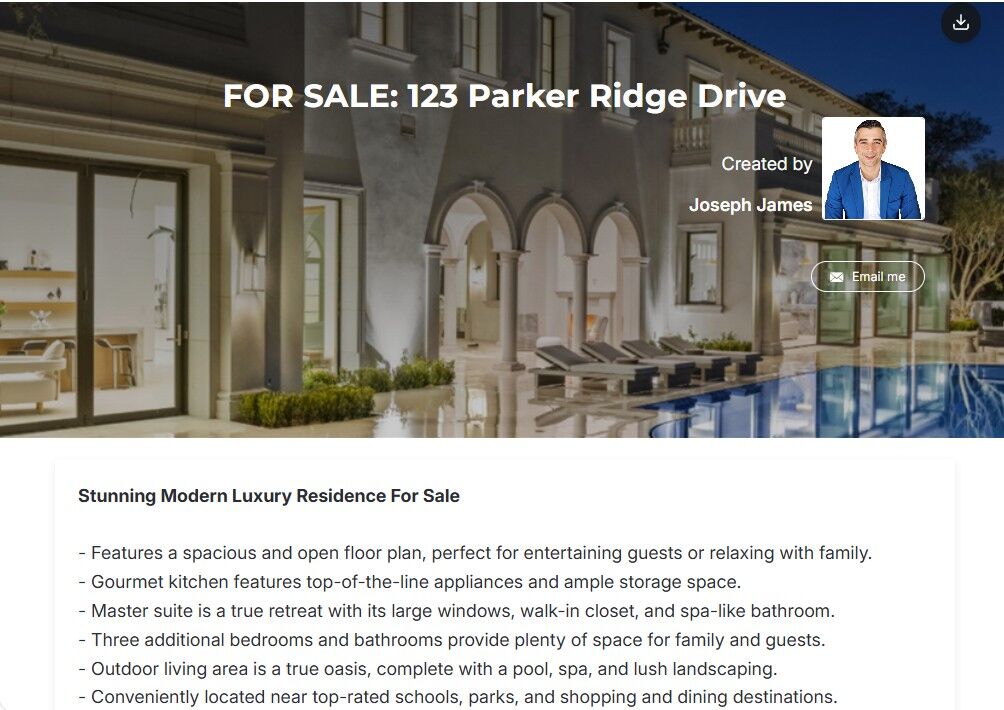
My Highnote-Powered Workflow for Listings
Phase | What I Do with Highnote | Why It Works |
Pre-launch | Create a “coming soon” interactive flyer via Highnote | Builds early momentum, generates leads before MLS hit |
Launch | Send the full listing (photos + video + story) | Reinforces your brand, sets you apart, delivers value |
Open House | Use Highnote for a branded sign-in pages or digital kiosks | Seamless guest capture, instant follow-up capability |
Promotion | Push out links on social + include QR codes on printed flyers | Integrates online + offline channels fluidly |
Follow-up | Use analytics to see who interacted, then send tailored assets | Helps convert interest into offers more reliably |
How Highnote Reinforces Your Listing Marketing Strategies
- When you invest in professional photography and video (Strategy #1 & #2), Highnote gives those visuals a premium home. You don’t just post them—you package them into a branded experience.
- When you craft listing descriptions optimized for SEO and buyer psychology (Strategy #3), Highnote becomes your delivery vehicle — clean, engaging, mobile-friendly.
- For social media campaigns (Strategy #4), Highnote gives you sharable assets — swipe-friendly links that look polished and invite engagement instead of blending into the noise.
- For print flyers (Strategy #5), you have matching digital versions and QR links, creating a consistent brand bridge between tangible and online.
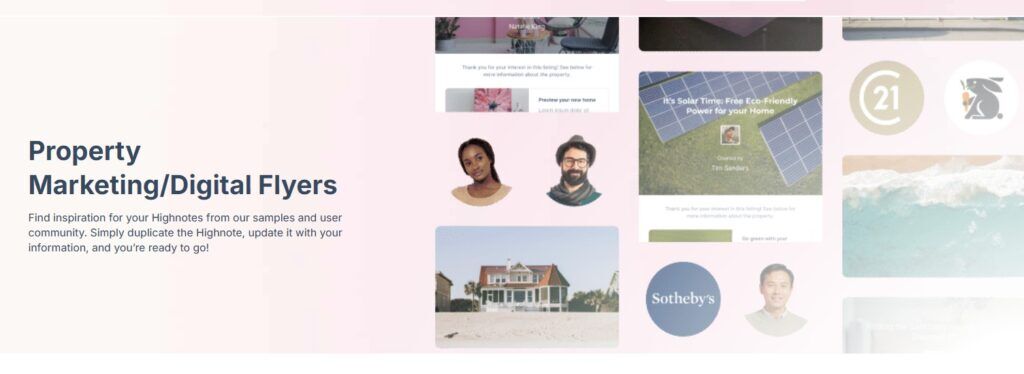
Quick Start Tips for Agents
- Duplicate a Property Marketing Template in Highnote and plug in your listing photos & headline.
- Include at least one call to action (CTA) in every Highnote asset: “Schedule a showing”, “View 3D tour”, “Download floor plan”.
- Use the built-in analytics after 24 hours to see who opened your asset. Reach out personally to those who did — it increases conversion rates.
- Keep branding consistent: use the same colours, fonts, logo that appear on your website, social posts, print flyers. That continuity builds trust and recognition.
- Set a monthly routine: review which listings had the most traction, analyze which assets were clicked most, refine your templates accordingly.
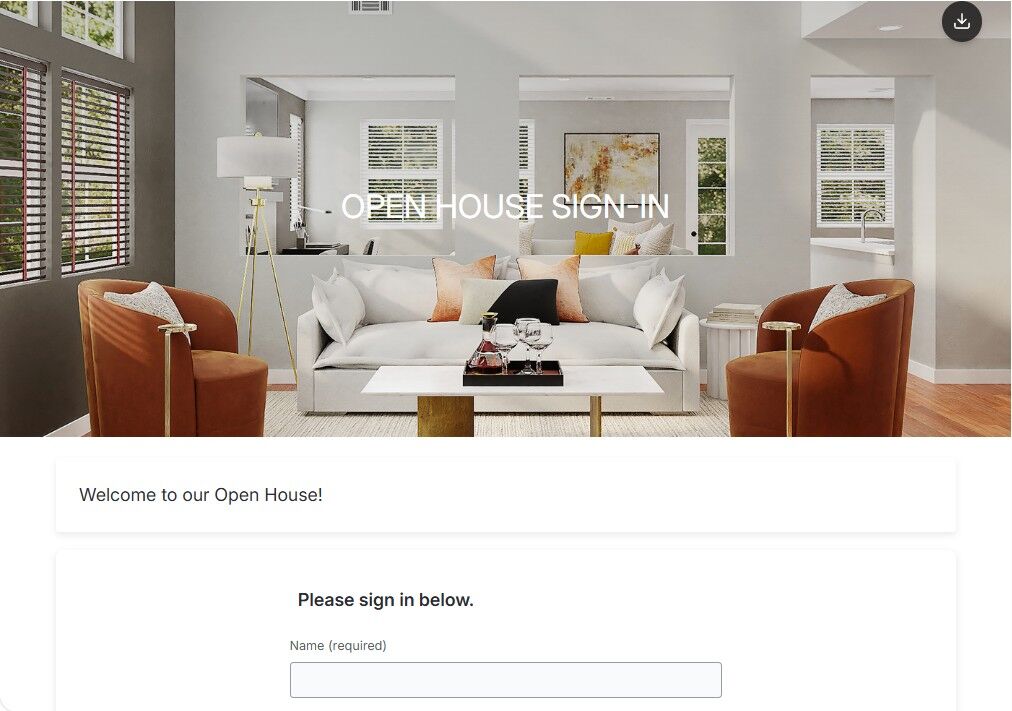
With Highnote, you’re not just publishing listing content — you’re turning your listing marketing into a professional experience. One where buyers don’t just passively view a property, they engage with it. And when that engagement is guided by strategy, tracking, and follow-up — you don’t just.
Strategy #6: Use Email Marketing and Drip Campaigns to Keep Listings Top of Mind
Email may be one of the oldest digital marketing tools we have, but it’s also one of the most underused in real estate. I can’t count how many agents tell me, “I don’t want to bother people with emails,” yet those same agents wonder why their listings lose momentum after the first week.
Here’s the truth: if you’re not following up through email, you’re leaving serious opportunity on the table.
I’ve sold more than one “stale” listing simply because of a smart, well-timed email — not a price reduction, not a new ad, just an email that reminded the right person at the right time why they loved the property.
Why Email Still Works in 2025
Email is one of the few channels where you own your audience. Algorithms can’t throttle your reach, and your message goes straight to your buyers’ inboxes.
Some quick stats that keep me using it:
- Real estate emails average a 26% open rate (that’s higher than most industries).
- Personalized property emails have a 6x higher transaction rate than generic blasts.
Automated drip campaigns convert 50% more leads into showings than one-off sends.
My Listing Email Framework
Whenever I launch a new property, I use a three-phase email strategy to guide leads from awareness to action.
Phase | Timing | Email Type | Goal |
Launch Announcement | Day 1 | Showcase property highlights, photos, and emotional hook | Create awareness and urgency |
Follow-Up Drip | Days 3–10 | Send 2–3 emails focused on features, lifestyle, or open house | Keep listing visible and memorable |
Re-Engagement | Days 14–30 | Target anyone who clicked but didn’t schedule a showing | Nudge potential buyers back into conversation |
Pro Tip: Build Smart Email Templates
Consistency is what makes your email marketing sustainable. I keep reusable templates for:
- New listing launch (with hero image + lifestyle intro)
- Open house invite (linked to property landing page or Highnote presentation)
- Price update (short, direct, emotional tone — not “price reduced,” but “now within reach”)
- “Just sold” follow-up (use to generate seller leads by showing results)
These templates save me hours per week, and because they’re branded, they reinforce my professional image every time they’re opened.

Email Copy That Converts
Here’s the biggest mistake most agents make: writing emails that sound like ads. Buyers don’t want another sales pitch — they want relevance, simplicity, and emotion.
Example:
Generic Email | High-Converting Email |
“Just listed! Check out this 3-bedroom home at 42 Maple Drive. Open house Sunday!” | “Imagine stepping into a sunlit kitchen every morning — that’s what caught my eye about 42 Maple Drive. We’re opening it up this Sunday, and I’d love for you to see it in person.” |
One sounds automated; the other sounds human. Guess which one gets replies?
Use Drip Campaigns to Stay in Front of Buyers
A drip campaign isn’t spam — it’s a conversation in slow motion. Tools like Highnote make this effortless. You can attach interactive property decks, track who’s engaging, and follow up with tailored messages.
Here’s a sample 3-week drip sequence I’ve used for listings priced above $750K:
Week | Email Focus | CTA |
Week 1 | Launch + story-based intro | “See full property experience” (link to Highnote presentation) |
Week 2 | Lifestyle highlight + video | “Take a 60-second walkthrough” |
Week 3 | Social proof + urgency | “This one’s generating strong interest — schedule your tour before the weekend” |
The key is to balance emotion and information. Each touchpoint should build trust, not pressure.
Integrate Email with Your Broader Marketing System
Email doesn’t exist in a vacuum. It ties together everything we’ve covered so far — your professional photography, video content, social campaigns, flyers, and listing descriptions.
Email is your follow-up engine. It’s where cold clicks turn into warm conversations, and warm leads turn into showings. When you use it with purpose, personalization, and a touch of humanity, it doesn’t just sell listings — it strengthens your brand.
Strategy #7: Leverage AI Tools to Supercharge Your Listing Marketing
When I started in this business, “technology” meant a fax machine and a pager. Now, I can build a full marketing package — photos, copy, social content, and analytics — in under an hour using AI.
Here’s the thing: AI isn’t here to replace real estate agents; it’s here to amplify us. The agents who learn to use it well aren’t just saving time — they’re outpacing the competition by producing higher-quality marketing with less effort.
Over the past couple of years, I’ve tested dozens of AI tools to see which ones actually make a difference. These are the ones I rely on consistently to give my listings an edge.
AI for Writing Listing Copy
You can have the best home on the market, but if your description sounds flat, you’re invisible online. AI writing assistants — like ChatGPT or Manus— can help you draft property descriptions, social captions, and ad headlines in seconds.
But the key is editing for authenticity. Let AI handle the structure, tone, and keyword optimization, then add your personal voice.
AI for Image Enhancement and Video Editing
We’ve all had that listing where the lighting wasn’t ideal or the weather refused to cooperate. Instead of reshooting, AI photo editors like Luminar or Canva’s Magic Studio can fix lighting, enhance skies, and even remove unwanted distractions in minutes.
For video, AI-powered tools like OpusClip or Descript automatically cut, caption, and repurpose your footage into short-form content — perfect for Instagram Reels, YouTube Shorts, or TikTok.
Imagine turning one 60-second walkthrough into five different marketing assets — that’s leverage.
AI for Targeting and Ad Optimization
Ad platforms like Meta and Google now use AI-based optimization to automatically find the audiences most likely to engage with your listings.
But don’t just hit “boost” and hope. Feed the algorithm with great creative: professional visuals, strong emotional hooks, and clear calls to action. The better your inputs, the smarter the AI gets about who to show your ads to.
AI Inside Highnote: Your Marketing Assistant in Action
Here’s where it gets exciting. Highnote now uses AI features that do the heavy lifting for you. You can:
- Auto-generate presentation text that aligns with your listing’s tone and features.
- Create branded property decks in minutes using prebuilt templates.
- Track engagement automatically, so you know which potential buyers are showing the most interest.
I use Highnote’s Property Marketing Template as my foundation for every new listing campaign. It brings together photos, descriptions, flyers, video, and email content — all in one interactive link. It’s like a digital command center for each property.
And when paired with AI-generated visuals or descriptions, it’s a marketing machine that runs 24/7 while you focus on client relationships.
AI for Insights and Follow-Up
One of the least glamorous (but most valuable) uses of AI is analytics. Highnote and similar tools can show you who opened your property presentations, which slides or assets they viewed, and how long they spent on each.
That data is pure gold. It tells you which prospects are serious, which features are resonating, and where to focus your next follow-up email or call.
As I like to say — AI doesn’t just make your marketing faster; it makes your decisions smarter.
Final Thoughts
Real estate has always been a relationship business — that part will never change. But how we market those relationships has evolved.
AI gives us the ability to personalize at scale, analyze in real time, and present listings in ways that were once impossible for individual agents. When you blend that technology with genuine human expertise, you create a marketing advantage that’s almost unfair.
So don’t fear AI. Learn it, use it, and let it handle the mechanics so you can focus on the magic — connecting people with the homes that change their lives.